Saturday, 2 May 2015

Saturday, 25 April 2015
Thursday, 16 April 2015

Saturday, 11 April 2015

Tuesday, 7 April 2015


Friday, 20 March 2015


Friday, 13 March 2015
Film Posters Research
In order to create an effective film poster, we have to use conventions of the thriller genre. To begin our research, we looked at film posters online with the thriller genre and note down the convention they all similarly use.


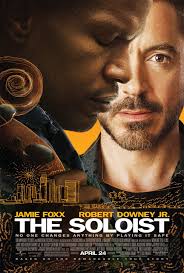
We focused on our attention to these three posters and were the source of our research. We recognised that...
We focused on our attention to these three posters and were the source of our research. We recognised that...
- Protagonist is framed near the middle
- No characters look straight at the camera
- Movie title is very big and is placed near the bottom
- Names of famous actors included
- Release date is placed at the very bottom
Wednesday, 11 March 2015
Production Company
It is important to make a production company of our film because a noteworthy mention has to be made for the company that provides the physical basis for works in the film. The production company will be included in the film for the credits and their logo will be included in the poster and magazine review page.


We decided to name our production company 'Hurricane Pictures'. We used Photoshop to create the logo for Hurricane Pictures.We used a sky blue saturation with a gradient effect going upwards. Beside the text, we placed a little image of a tornado to compliment the name of the production company.
Monday, 9 March 2015
Magazine Review Page Research


To support our film, we were required to create a magazine review page. The purpose of these are to inform the reader about the film and verdict its contents. In order to create a review for our film, we would have to extrapolate the conventions of normal magazine review pages and implement them into our own.
- A big still image from the film showing the main characters
- Catchy one-liner which summarises the mood of the film
- Inclusion of details of the film such as release date, running time and actors
- Verdict and official rating of the film
Monday, 2 March 2015
Target Audience
Our target audience will be determined by the genre we have chosen (Thriller). We will be using a strategy called 'Audience Segmentation' to segment our audience into different characteristics we are targeting. Our audiences will be segmented into just one category: demographic.
We will be targeting males aged 15-36. This is because males are most likely to watch thrillers due to it containing action and psychological issues. Also, this age bracket is appropriate because younger people will be more familiar with the school environment and will appreciate the action in the film.
Primary Audience
 |
| Our primary audience may look like this |
- Males aged between 18-34
- Enjoy watching thrillers, dramas, murder-mystery films
- Still in education or employed so they can understand social issues in working environments
- Enjoy up beat music and up-to-date with technology
The reason why this would be our primary target audience for our film is because most of these people would visit the cinema for escapism. Although them being in education or employed and being familiar with social issues such as bullying, they are most likely grown up and have moved on from this so watching a thriller would attract their attention.
Secondary Audience
 |
| Our secondary audience may look like this |
- Males aged between 12-18
- In education, possibly attend schools in urban areas
- Care-free personality, slightly confrontational and rebellious
- Enjoy action
- Often go outside and socialise with friends
The reason why this would be our secondary target audience for our film is because most of these people are school teenagers who get involved with a lot of social activities. Because these teenagers are commonly found to be causing trouble and being rebellious, they would likely be watching our film as it covers themes which may encourage these children. Also they would want to watch a film which they are familiar with such as a film set in a school environment.
Sunday, 1 March 2015
Organisation of Actors and Costumes


It was important to send reminders to our actors of our recording schedules and other events such as photo shooting. Also, reminding them about costume was necessary because different costumes being worn will conflict with continuity. To organise, we contacted our actors using WhatsApp.
Tuesday, 24 February 2015
Location for Action Scene
We have chosen that the location for our action scene will in fact be the Premises Room. However, students are not allowed to enter the room because only the caretaker is allowed access to the CCTV equipment. However, we emailed the caretaker saying if that if it was okay for us to shoot our film. He replied back saying that it was okay however he would have to turn of thee CCTV equipment. This limited us as we intended to use the monitors to display footage of Mr Romanov's death as it would have looked like realistic CCTV footage. Despite this setback, it is still a great location to shoot this scene.
We overcame the setback by instead of using CCTV monitors in the room, we would instead use the central computer to display the CCTV footage. In order to do this, the footage of Mr Romanov's murder was loaded on the central computer and added a CCTV effect. This was a good substitute and we were able to capture everything that was needed.
We overcame the setback by instead of using CCTV monitors in the room, we would instead use the central computer to display the CCTV footage. In order to do this, the footage of Mr Romanov's murder was loaded on the central computer and added a CCTV effect. This was a good substitute and we were able to capture everything that was needed.
 |
| Exterior |
 |
| Interior |
Saturday, 21 February 2015
Preparation for the Action Scene
The action scene is the scene where Jamil removes the evidence of him killing Mr Romanov with the assistance from his friend, David, but then having a fight over disagreements. We label it the 'action scene' because it will be fast paced and includes a brief fight between the two characters. We have constructed the plan for this scene in our Step Outline but have not chosen where our location will be. Our most likely location would be the Premises Room within our school which would be good to shoot this scene because the CCTV monitor screens will make the room look like a surveillance room. If this location is to be our location, this is where we will place the camera...

Tuesday, 17 February 2015
Editing Inspiration
As you may have realised by now, we usually edit footage we have just filmed rather than filming all our scenes and editing once all the footage was collected. This is because we usually finish filming sooner than expected leaving us a lot of spare time so we usually just edit the footage. While we were editing the scene where Jamil hides Mr Romanov's body, we had one shot where the CCTV catches Jamil killing Mr Romanov. However, the shot with the CCTV looked very plain. A person who was peeping over our shoulder while editing said that it looked like it was a point-of-view shot from a person in the distance.
We wanted our film to feel realistic to allow the audience to be connected. For this reason, we decided to watch random police interception videos on YouTube to see how they present the appearance of CCTV. After watching a few videos, we realised that the common convention was that the screen:

We wanted our film to feel realistic to allow the audience to be connected. For this reason, we decided to watch random police interception videos on YouTube to see how they present the appearance of CCTV. After watching a few videos, we realised that the common convention was that the screen:
- had a slight green tone with lower contrast levels
- A fuzzier look including less sharpness within the shot
- An indication in the corner that a CCTV camera is filming
Saturday, 14 February 2015
Re-filming Hiding The Body
What we were planning to do is film the part where Jamil hides Mr Romanov's dead body. However, when the actors arrived we immediately noticed that Jamil had a haircut over the weekend. We presumed that this was just a minor issue and proceeded to film this little scene. It was short meaning that there wasn't much to film.
However, after watching back all our footage, we found it very weird on-screen that Jamil had cut his hair as it changes between two scenes despite the time-frame being continuous within the film. Although the acting was superb, we had to re-shoot the next week. When we re-filmed this scene, we found it difficult as Jamil's hair didn't miraculously grow back. What we decided to do in the end was to use slightly lower camera angles in this scene so less of Jamil's hair was seen on-screen. This worked and, surprisingly, it was win-win situation as the new variety of camera angles complimented the fact that Jamil was empowered as Mr Romanov's presence was eliminated.

However, after watching back all our footage, we found it very weird on-screen that Jamil had cut his hair as it changes between two scenes despite the time-frame being continuous within the film. Although the acting was superb, we had to re-shoot the next week. When we re-filmed this scene, we found it difficult as Jamil's hair didn't miraculously grow back. What we decided to do in the end was to use slightly lower camera angles in this scene so less of Jamil's hair was seen on-screen. This worked and, surprisingly, it was win-win situation as the new variety of camera angles complimented the fact that Jamil was empowered as Mr Romanov's presence was eliminated.

Tuesday, 10 February 2015
Technicalities with Sound
We had just completed filming the second scene. We had in fact finished an hour early so thus decided to edit what we had shot. We stuck together all the clips and trimmed down parts to maintain continuity. Then we edited everything off-screen, such as sound. Unfortunately, we encountered our first dilemma. We did not have sound for when Mr Romanov fell down the stairs. This left behind a very awkward feeling as there was no sound for when Mr Romanov fell down the stairs making it very unrealistic. Our Media Studies teacher, Mr McManus, referred to this conundrum as 'digital silence' which often happens for first-time film makers.

We decided that we should insert an artificial sound behind the footage as we had not recorded audio. After surfing on the internet, we found a video on YouTube which had audio for a person falling down the stairs which sounded very realistic. It was open-source and uncopyrighted meaning that anyone can use it for their projects thus allowing us to use it for our film. This made Mr Romanov falling down the stairs seem more realistic and made it less jarring for the audience.
We decided that we should insert an artificial sound behind the footage as we had not recorded audio. After surfing on the internet, we found a video on YouTube which had audio for a person falling down the stairs which sounded very realistic. It was open-source and uncopyrighted meaning that anyone can use it for their projects thus allowing us to use it for our film. This made Mr Romanov falling down the stairs seem more realistic and made it less jarring for the audience.
Filming the Second Scene
We so far have been on schedule with our filming timetable. We were now ready to film the second scene in the film where Jamil accidentally kills Mr Romanov. Yet again we remained disciplined and stuck to the script. This allowed everyone to know what exactly need to be done. We managed to film everything perfectly. However, it was quite difficult filming a particular shot: the exact moment where Jamil trips up Mr Romanov. We planned to use the shoulder rig to film Mr Romanov falling down the stairs but the effect just looked too unrealistic. Instead we decided to use an extreme close up of Jamil and Mr Romanov's feet legs colliding into each other on the staircase to make it look like Mr Romanov fell down the stairs. This was successful and made editing easier.
Saturday, 7 February 2015
Changing the Opening Credits Sequence
We had previously planned that our credits sequence will contain Jamil in his getting ready to attend his Saturday detention while the opening credits play through. However, this was not possible as we drafted that our opening credits sequence would run for approximately 26 seconds. Trying to film Jamil getting ready in the morning would take around 45 seconds meaning that we couldn't fit the whole thing in such a short space of time. Therefore, we decided to completely change the opening credits sequence.

After confirming the precise details, we decided that we should include Jamil making his way to school rather than getting ready in the morning as it would create more mystery in the story and allow the audience to engage with the film by creating their own interpretations. This is because the first thing the audience sees is Jamil on an empty bus and are not given much information about what will happen next. What we show on-screen is Jamil on the bus on his way to school as he receives a text saying that what time his detention is.
After confirming the precise details, we decided that we should include Jamil making his way to school rather than getting ready in the morning as it would create more mystery in the story and allow the audience to engage with the film by creating their own interpretations. This is because the first thing the audience sees is Jamil on an empty bus and are not given much information about what will happen next. What we show on-screen is Jamil on the bus on his way to school as he receives a text saying that what time his detention is.
Thursday, 5 February 2015
Going 'Off Script'
Despite our strict following of the Step Outline, we did use our improvisation for a specific shot in the intro. We did this because we needed more footage for the edit, otherwise the scene would lack pace and would not be interesting for the viewers.
Our first piece of dialogue included Timur saying:
"Oi, it's a Saturday detention and you're still late! Where's your school uniform? Monday detention for you after school!".
The script originally stated that this shot was going to be just one shot. This was meant to be a high angle two shot to show how Jamil has become inferior in this situation. However, our movie is a thriller and we wanted to keep a quick tempo in our film suggesting that shots should be short and snappy. In spite of this, the proposed shot would have lasted nine seconds on screen due to the long line of dialogue. For this reason we decided to split the shot into two 4.5 seconds shots with a new shot from Timur's shoulder. A screenshot of this is included in the picture above, and the result of this is brilliant because the audience can really understand Jamil's emotion and reaction.
Our first piece of dialogue included Timur saying:
"Oi, it's a Saturday detention and you're still late! Where's your school uniform? Monday detention for you after school!".
 |
| Our new shot |
Wednesday, 4 February 2015
First Filming Session: The Intro
Today was the first day we began shooting our film. It was exciting as we are fully prepared and the actors were looking forward to contribute in our project. Things began very well; we stayed disciplined and stuck to what we had instructed in the Step Outline. However, we occasionally added a few more camera angles for certain shots as the lighting outside wasn't enough for some spots in our location.
An example of this was filming the ending of the first scene. The shot where the two characters leave the setting included them having to walk outside in the broad sunlight. However, it was quite a sunny day and there was too much light.

We used our Step Outline to film an angled mid-shot but changed the camera brightness when filming. As you can see, the screen gets darkier towards the right. The imbalance of lighting was jarring when playing the clip back.

We re-filmed the same shot but using a mid shot looking straight at the characters (rather than at a slant) and placing the camera higher up. This means that the lighting was symmetrical in the shot and less shadow.
An example of this was filming the ending of the first scene. The shot where the two characters leave the setting included them having to walk outside in the broad sunlight. However, it was quite a sunny day and there was too much light.

We used our Step Outline to film an angled mid-shot but changed the camera brightness when filming. As you can see, the screen gets darkier towards the right. The imbalance of lighting was jarring when playing the clip back.

We re-filmed the same shot but using a mid shot looking straight at the characters (rather than at a slant) and placing the camera higher up. This means that the lighting was symmetrical in the shot and less shadow.
Monday, 2 February 2015
Naming The Film
Both of us had a very informal conversation away from our Media Studies lessons as we were randomly just speaking about our film. We thought that we needed to name our film as it may be very tedious to do so after all our production as all the content may give us too many option. For this reason, we believed it was essential for us to name it before we really got down and started to film.
We both threw in a load of suggestions; the best one we came up with is 'Scelestus'. It is a Latin word for 'nemesis/rival'. This would be appropriate as our two main characters, Jamil and Mr Romanov, are both rivalling each other to show who is boss. However, it did feel quite silly to name a film after a Latin word as not many films do that. Also, we did not want to risk being too different as our audience may not know what the film is about prior to watching it.

We eventually decided to name the film 'Always Here'. This is because Mr Romanov is stuck in school due to Jamil's inconveniences. Also, his 'ghost' remained in the school after he died which means he never leaves the school and he's always there. In addition, it was a coincidence that Mr Romanov references the film name twice in his dialogue.
We both threw in a load of suggestions; the best one we came up with is 'Scelestus'. It is a Latin word for 'nemesis/rival'. This would be appropriate as our two main characters, Jamil and Mr Romanov, are both rivalling each other to show who is boss. However, it did feel quite silly to name a film after a Latin word as not many films do that. Also, we did not want to risk being too different as our audience may not know what the film is about prior to watching it.

We eventually decided to name the film 'Always Here'. This is because Mr Romanov is stuck in school due to Jamil's inconveniences. Also, his 'ghost' remained in the school after he died which means he never leaves the school and he's always there. In addition, it was a coincidence that Mr Romanov references the film name twice in his dialogue.
Friday, 30 January 2015
Choice of Editing Software
In order to make our film, we have to use editing software that would trim out all unnecessary shots, maintain continuity and allow the film to flow. Also, we need to include credits and insert a visual effects. We were given a choice between two different programs to edit our footage and had to come to a final decision. We based our decision judging on both program's capabilities and limitations.
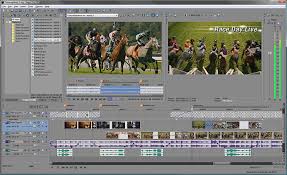
The above picture is the user interface for Sony Vegas Pro. As you can see, there are many features you can use to edit your footage. Even though it provides some features some other editing softwares can not, we are quite unfamiliar with this software and has a lot of unnecessary tools which is not needed for editing our film. It focuses more of its attention on visual effect rather than movie editing tools such as precision trimming which will restrict us in our project.

Sony Vegas Pro
The above picture is the user interface for Sony Vegas Pro. As you can see, there are many features you can use to edit your footage. Even though it provides some features some other editing softwares can not, we are quite unfamiliar with this software and has a lot of unnecessary tools which is not needed for editing our film. It focuses more of its attention on visual effect rather than movie editing tools such as precision trimming which will restrict us in our project.
iMovie
The above picture is the user interface for Sony Vegas Pro. As you can see, there are slightly fewer feeatures compared to Sony Vegas Pro. We are both very familiar with this program after have done projects using it before. Most of the functions will be needed to edit our film as the program focuses on video manipulation. We really like how user-friendly the program is due to there also being manuals for tools that are not found in other software.
In the end we decided to use iMovie just because of our familiarity with the program and its relevance to our project.
Tuesday, 27 January 2015
Equipment at Our Disposal
It was important to prepare prior to production because being ready beforehand reduces the likelihood of mistakes being made. An area we focused on was which equipment we would use for the production of our film. The purpose of this process it to use the functionalities of the correct equipment correctly and know when to utilise them. We began by becoming familiar with which pieces of equipment we have at disposal when filming. This is because it will save time and hassle. From our past experience from AS Media Studies, there were times where we didn't have the appropriate equipment at the time was necessary thus making us having to go back to the media room to get the equipment. The detrimental disadvantage of this is wasting a lot of time which frustrates the actors and causes a lot of inconveniences.

Our priority was having the camera on us at all times as it is the piece of technology used for filming. We had two choices we could choose from: Canon 7D or JVC HD Everio. We opted to film with the JVC HD Everio because of its impressing specs.

Along with the camera, it was important to bring along a spare camera battery just in case we wanted to shoot any extra footage or if we hadn't charged our main battery the whole day.
We used a tripod because we wanted some of our shots to be stationery and not to pan. This would allow to keep the shots on screen stable and clear for the audience to see. The tripod we used was called Sony VCT-R640.

The advantages of the tripod benefited us as it meant we were allowed to film without holding the camera. If we were to film handheld, the film would have looked very shaky and not help making a fast flowing film which maintains continuity. However, we realised that there were some camera shots that needed to be recorded while handheld. Fortunately, most editing software have automatic stability correction functionality that will reduce the amount of shaking on-screen.


Our priority was having the camera on us at all times as it is the piece of technology used for filming. We had two choices we could choose from: Canon 7D or JVC HD Everio. We opted to film with the JVC HD Everio because of its impressing specs.

Along with the camera, it was important to bring along a spare camera battery just in case we wanted to shoot any extra footage or if we hadn't charged our main battery the whole day.
We used a tripod because we wanted some of our shots to be stationery and not to pan. This would allow to keep the shots on screen stable and clear for the audience to see. The tripod we used was called Sony VCT-R640.

The advantages of the tripod benefited us as it meant we were allowed to film without holding the camera. If we were to film handheld, the film would have looked very shaky and not help making a fast flowing film which maintains continuity. However, we realised that there were some camera shots that needed to be recorded while handheld. Fortunately, most editing software have automatic stability correction functionality that will reduce the amount of shaking on-screen.
An important aspect of our film was audio, especially dialogue. To ensure that voice and background sound was good, we had to acquire a high quality microphone. We had the option between 'Rode' and 'Zoom H2 Handy Recorder'. We chose to use the Rode because unlike the Zoom H2, it has a microphone jack that can be plugged into the camera and record sound during filming. The quality is very crisp and produced excellent results.
Getting Familiar With the Equipment
There was many pieces of equipment provided to us that we could utilise in the production of our film. We took time to assess what all the equipment can do, how to function them and their pros and cons. The shoulder rig caught our attention, so we decided to test that out when we were given permission to roam around the school and test out the equipment.
What we wanted to take out from this experience was to get grips with how we can use this equipment with full effect. We found the camera, JVC Everio, quite cool. It displayed everything in great quality. It was very easy to get used to. We attached it to the shoulder rig and experimented how we can use it to our advantage. We did not have much luck with it as it limited us to only a few different shot types although it was very easy to manoeuvre.
We eventually realised that the shoulder rig wasn't the best of choices we were given so we decided just to film outdoors with the camera handheld. We practised a few shots such as a wide shot of the school, an over the shoulder shot of two of our actors having a conversation and a close up. We had much more success using the camera handheld rather than the shoulder rig but it wasn't stable when watching it on screen as it was sensitive to movement. More stability was required, so we decided that using a tripod will be much more useful for our project.
 We needed to research online about how to maintain great quality image when the camera is stationery. Using http://photo.net/canon-eos-digital-camera-forum/ , we learned that the common rule is to use a shutter speed equivalent (or higher) to the focal length i.e. 1/200 sec for a 200mm lens. This is because the higher the shutter speed, the less chance of camera-shake.
What we wanted to take out from this experience was to get grips with how we can use this equipment with full effect. We found the camera, JVC Everio, quite cool. It displayed everything in great quality. It was very easy to get used to. We attached it to the shoulder rig and experimented how we can use it to our advantage. We did not have much luck with it as it limited us to only a few different shot types although it was very easy to manoeuvre.
We eventually realised that the shoulder rig wasn't the best of choices we were given so we decided just to film outdoors with the camera handheld. We practised a few shots such as a wide shot of the school, an over the shoulder shot of two of our actors having a conversation and a close up. We had much more success using the camera handheld rather than the shoulder rig but it wasn't stable when watching it on screen as it was sensitive to movement. More stability was required, so we decided that using a tripod will be much more useful for our project.

Saturday, 24 January 2015
Choice of Actors
Now that we know about the characteristics characters in the film, it was now necessary to pick actors to play these roles. When looking for actors in our film, our main priority was a person's quality of acting. Additionally, we needed someone who is used to the process or production because we want someone who would be familiar with how production works so being efficient would be essential. Because we attend a sixth-form, there are a huge catalogue of people we personally know who will be willing to act. We identified that there were a handful of people who had similar free periods to us so now it was just about choosing people who have had acting experience and will be committed to our project.

For the role of the student, we decided to hire a close friend of ours named Jamil. He has some minor acting experience before as he has his own projects on YouTube. However, he does have a tendency to get distracted and mess around but we're sure we can contain this by maintaining professional attitudes.

For the role of the teacher, we decided to hire Timur. In our opinion, he suits perfectly to the role of the teacher because he matches the criteria. He has a very alarming posture which would indicate that he is a no-nonsense type of person. He also looks older than he really is which will make it easier for the audience to recognise him as being a teacher. He also has a strong Russian accent which is useful to us as he does project his voice well. This will be very good when recording dialogue.

For the role of the friend, Samuel has volunteered. Him and Jamil are both Ethiopian and are friends in real life so it will allow the audience to recognise that they are friends in the film. Additionally, Samuel aspires to work in the TV industry when he's older. Because he has done many projects before, he is familiar with the processes of production and can share his knowledge with the other actors on set.

For the role of the student, we decided to hire a close friend of ours named Jamil. He has some minor acting experience before as he has his own projects on YouTube. However, he does have a tendency to get distracted and mess around but we're sure we can contain this by maintaining professional attitudes.

For the role of the teacher, we decided to hire Timur. In our opinion, he suits perfectly to the role of the teacher because he matches the criteria. He has a very alarming posture which would indicate that he is a no-nonsense type of person. He also looks older than he really is which will make it easier for the audience to recognise him as being a teacher. He also has a strong Russian accent which is useful to us as he does project his voice well. This will be very good when recording dialogue.

For the role of the friend, Samuel has volunteered. Him and Jamil are both Ethiopian and are friends in real life so it will allow the audience to recognise that they are friends in the film. Additionally, Samuel aspires to work in the TV industry when he's older. Because he has done many projects before, he is familiar with the processes of production and can share his knowledge with the other actors on set.
Characters
Our film has three characters with significant roles. The requirements for our film to be a thriller is to be very suspense and action-packed yet detailed and well-planned. In which case, we wanted to emphasise the significance of the plot of the story; and with only having five minutes, we thought that reinforcing our intentions can be done by only including three significant characters in the film.
The Student
The Student is the first character. Some may argue that he is the protagonist but we want our audience to make their own decisions on this. Despite this, he is the driving force for the progression of the story line. He is involved in getting trouble with his teacher and accidentally killing him but results in his teacher mysteriously coming back alive and getting revenge on him. His characteristic is him being a teen-aged male with a very negative attitude.
The Teacher
The Teacher has the role of calling in the student for the detention where he is accidentally killed but mysteriously comes back to get his revenge on the student. No-one really knows if he dies or not and how he returns. This adds suspense to the film as it leaves open-ended questions being raised by the audience. The characteristics of this teacher must be very formal with a projecting voice and an assertive attitude.
The Friend
The Friend has the role of being the friend of the student. He is involved in the story when the student tries to break into the school's CCTV room and him helping him. However, they eventually fall into a lengthy dispute which results in the friend knocking out the student. Shortly after, he is also killed by the teacher. Out of all the three characters, this is the least significant role. The characteristic he will have is a supportive and friendly person but does like to confront other has a short temper.
The Student
The Student is the first character. Some may argue that he is the protagonist but we want our audience to make their own decisions on this. Despite this, he is the driving force for the progression of the story line. He is involved in getting trouble with his teacher and accidentally killing him but results in his teacher mysteriously coming back alive and getting revenge on him. His characteristic is him being a teen-aged male with a very negative attitude.
The Teacher
The Teacher has the role of calling in the student for the detention where he is accidentally killed but mysteriously comes back to get his revenge on the student. No-one really knows if he dies or not and how he returns. This adds suspense to the film as it leaves open-ended questions being raised by the audience. The characteristics of this teacher must be very formal with a projecting voice and an assertive attitude.
The Friend
The Friend has the role of being the friend of the student. He is involved in the story when the student tries to break into the school's CCTV room and him helping him. However, they eventually fall into a lengthy dispute which results in the friend knocking out the student. Shortly after, he is also killed by the teacher. Out of all the three characters, this is the least significant role. The characteristic he will have is a supportive and friendly person but does like to confront other has a short temper.
Friday, 23 January 2015
Locations: Scouting and Choices
Subsequent to all of our story and narrative planning, it was now time for planning the actual production of our film. This is quite an exciting phase of our whole production because we can precisely choose what aspects and features we could include in our film.

The film will begin with Jamil on his way to school on a bus. We decided to shoot this at the 38 bus stop in Victoria Station. This would be most convenient because it is the first bus stop in the route and boarding on the first bus stop means that there will not be anyone else on the bus, giving us a perfect opportunity to shoot the introduction.

The second scene is when the student encounters the teacher and eventually accidental kills him. For this we don't really need a very demanding location because of the scene's focus on the actual content. We decided that a narrow corridor in the school which isn't busy would be appropriate. The corridor we chose is effective because there are lights at the top and we can shoot a variety of camera angles here.

The third scene is when the student goes into the CCTV room to remove evidence of the murder which ends up in the student being knocked out by his friend. Fortunately, our school has their own CCTV security room and we can use this to make it feel very realistic.

The last scene would be the death of the student and the teacher having his revenge. The locations for this would be by the exit of the school. Before this point in the film, most of the film would be filmed in doors. We want this scene to be outside as it will provide a vibrant atmosphere. The effect this would have on the scene is making the outside look bigger and making Jamil look more vulnerable.
The film will begin with Jamil on his way to school on a bus. We decided to shoot this at the 38 bus stop in Victoria Station. This would be most convenient because it is the first bus stop in the route and boarding on the first bus stop means that there will not be anyone else on the bus, giving us a perfect opportunity to shoot the introduction.

The second scene is when the student encounters the teacher and eventually accidental kills him. For this we don't really need a very demanding location because of the scene's focus on the actual content. We decided that a narrow corridor in the school which isn't busy would be appropriate. The corridor we chose is effective because there are lights at the top and we can shoot a variety of camera angles here.

The third scene is when the student goes into the CCTV room to remove evidence of the murder which ends up in the student being knocked out by his friend. Fortunately, our school has their own CCTV security room and we can use this to make it feel very realistic.

The last scene would be the death of the student and the teacher having his revenge. The locations for this would be by the exit of the school. Before this point in the film, most of the film would be filmed in doors. We want this scene to be outside as it will provide a vibrant atmosphere. The effect this would have on the scene is making the outside look bigger and making Jamil look more vulnerable.
Tuesday, 20 January 2015
Monday, 19 January 2015


Film Synopsis
A student (Jamil) is on the bus, on his way to a Saturday detention. He enters the isolated school with only his teacher (Mr Romanov) in the premises. As they are slowly approach the detention room, Mr Romanov aggravates Jamil by telling him how much trouble he has caused him. Jamil reacts to this angrily and trips up the Mr Romanov down the staircase. He dies without the Jamil initially realising. When Jamil realised that he killed Mr Romanov, he looks around and notices a camera which had recorded what happened. Jamil then hides the body and decides to remove the CCTV footage..
Jamil goes to the CCTV room but finds out it is locked. He phones his friend (David) and tells him to bring tools without hesitation. When David arrives, they use the tools to break into the CCTV room. Jamil goes on the central computer and removes the evidence of the murder. In the process, Jamil tells David about he has killed Mr Romanov but with brief detail. David gets very annoyed on why Jamil is being secretive. They eventually have a fight and results in Jamil being knocked out.
When Jamil wakes up, he intends to leave the school. As he approaches the exit, he notices Mr Romanov storm past. Jamil is perplexed because he saw him dead. He runs after him to check if it was just an allusion but all the school exits had magically closed. When he turns around, he sees the embodiment of Mr Romanov and thinks it is not real. Mr Romanov grabs him and whispers in his ear "I told you, I'm always here".
Jamil goes to the CCTV room but finds out it is locked. He phones his friend (David) and tells him to bring tools without hesitation. When David arrives, they use the tools to break into the CCTV room. Jamil goes on the central computer and removes the evidence of the murder. In the process, Jamil tells David about he has killed Mr Romanov but with brief detail. David gets very annoyed on why Jamil is being secretive. They eventually have a fight and results in Jamil being knocked out.
When Jamil wakes up, he intends to leave the school. As he approaches the exit, he notices Mr Romanov storm past. Jamil is perplexed because he saw him dead. He runs after him to check if it was just an allusion but all the school exits had magically closed. When he turns around, he sees the embodiment of Mr Romanov and thinks it is not real. Mr Romanov grabs him and whispers in his ear "I told you, I'm always here".
Friday, 16 January 2015
Brainstorming Story Plots
Now that we had decided which our genre and theme, it was now necessary to brainstorm story plots for our film. As suggested in a previous post, we initially began suggesting quite far-fetched ideas for our film but couldn't use them due to our constraints and its effectiveness.
Since then, our theory lessons we have had in class proved to be very useful as we considered many narrative theories and audience theories when drafting some ideas for story plots. However, coming up with fresh and brand new ideas for story plots was monotonous because all our suggestion seemed liked they have been done before and can easily be associated with another film. For example, our previous example about a police officer having special abilities is quite similar to a film named Limitless. Eventually, we did make a breakthrough.
 We briefly touched upon what kind of locations to use and thought it would be sensible to film in school as its the most accessible place we have which is very convenient. One thought created another and we ended up coming with the idea to base a story around a student and a teacher. Then when considering the theme, revenge, we thought that the film could be about a teacher seeking revenge against his student after the distress he has given him. This seemed quite enthralling so we drafted out specific details of this and mapped out the plot.
Our next post will be the film synopsis we came up with.
Since then, our theory lessons we have had in class proved to be very useful as we considered many narrative theories and audience theories when drafting some ideas for story plots. However, coming up with fresh and brand new ideas for story plots was monotonous because all our suggestion seemed liked they have been done before and can easily be associated with another film. For example, our previous example about a police officer having special abilities is quite similar to a film named Limitless. Eventually, we did make a breakthrough.
Our next post will be the film synopsis we came up with.
Research Into Similar Films
The Cabin in the Woods

Pros:
V for Vendetta
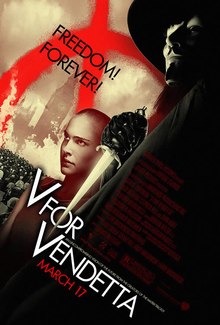
Wide range of camera angles
Exclusive sound tracks and vivid sound effects
Great visual quality
Conventional narrative structure
Cons:
Conversations are too long
Ending was not fluent
Similarities (with our film):
Same hybrid genre (Thriller/Horror)
Focusing on using wide variety of camera angles
The idea of the supernatural
V for Vendetta
Pros:
Very intense story
Focus on character development with great acting
Really nice props and costume
Conforming to conventions of thriller
Cons:
Audience can be confused with the sub-plot
Conversations are very long and boring
Restricted target audience due to focus on political ideas
Similarities (with our film):
Protagonists wear hoods/hats to show they don't want to be seen
Set in urban London
Inclusion of action compilations
Exploring Themes and Final Decision
We have completed brainstorming ideas about which genre to use for our film and concluded that the most suitable option would be to do a thriller. With this in mind, we now had to come up with ideas regarding story and the actual contents of the five minute film. We began by choosing which theme our film should be based around. To help us, we used a website called TheScriptLab (http://thescriptlab.com/) to see the most popular central themes of films. These ranged from murder, revenge, mystery etc.

We decided that a theme we should base our film around should be revenge because both of us made our AS pieces based around revenge and we know which conventions worked well and which didn't hence allowing us to address our mistakes to create a new and high quality film.

We decided that a theme we should base our film around should be revenge because both of us made our AS pieces based around revenge and we know which conventions worked well and which didn't hence allowing us to address our mistakes to create a new and high quality film.
Final Decision: Revenge
Thursday, 15 January 2015
Our Film Genre
We researched films on YouTube to give us some inspiration and stimulate the expressive ideas in our minds and getting them down on paper. We did a lot of research and discussed about our foundings. We commented on which films were the best due to their genres and extrapolated their according conventions which would help to portray our film.
 A thriller/action genre seemed to be the best to do and most suitable to us. We came up with this idea because most mainstream thriller films are targeted at teenagers like us so we are familiar with most of its conventions. Also, picking thriller as our genre open up many options for film ideas as we can be creative in what we want to show on screen. With this in mind, it would also match our versatile approach to production because it will compliment the action side of thriller. We also considered just to have a genre of action but it seemed unlikely after careful consideration due to the fact that it would require very good actors.
Final Decision: Thriller
Subscribe to:
Posts (Atom)